Passive House, Passivhaus and the Importance of Evidence
Why evidence, verification and clear claims matter in high-performance homes
Terms such as Passive House and Passivhaus are increasingly used to describe homes that promise comfort, efficiency and sustainability. For homeowners, the language sounds reassuring and technically robust.
The difficulty is that these terms are not always used precisely.
In practice, a home described as “Passivhaus” or “Passive House” may adopt selected principles, target some performance outcomes or reference the standard loosely, without ever being verified against its full requirements. The difference is rarely explained clearly, and the consequences often only become apparent after the home is occupied.
Understanding what these terms actually mean, and how they should be supported, helps avoid confusion and unrealistic expectations.
What the Passivhaus standard actually is
Passivhaus is an internationally governed building performance standard. It is not a design style and it is not a checklist of optional features.
The standard sets clear, measurable limits for:
- heating and cooling demand
- overall energy use
- airtightness
- thermal comfort
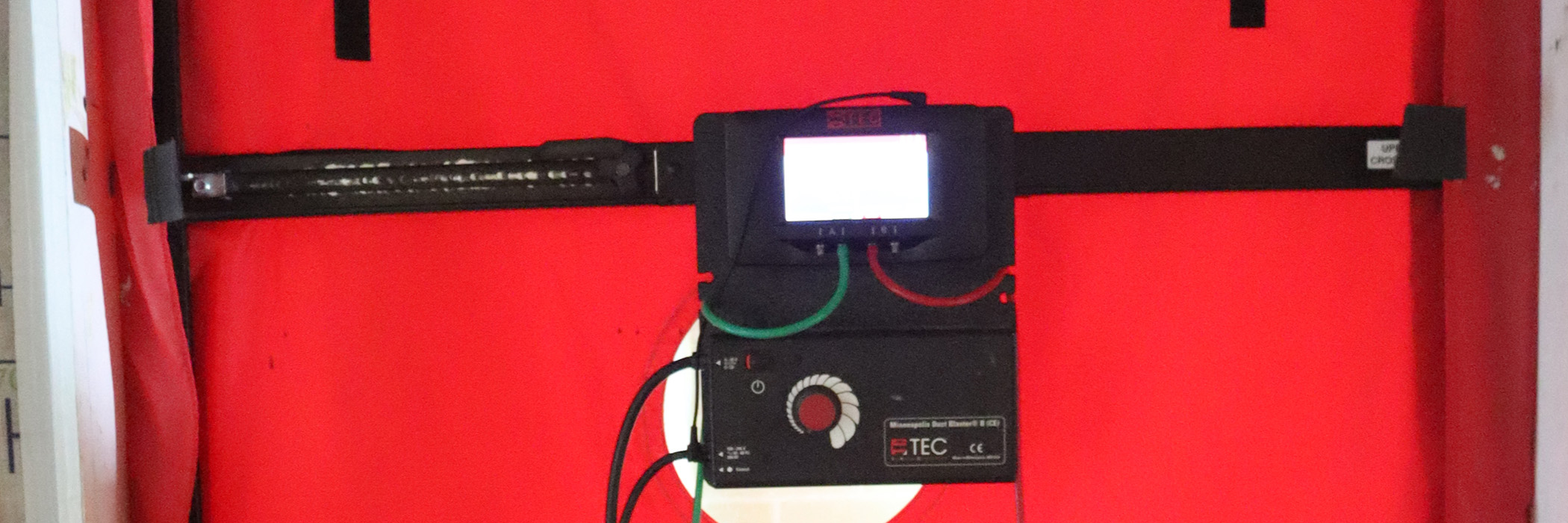
Compliance is demonstrated through detailed energy modelling, documentation and on-site testing. Certification provides independent verification that the building meets all required criteria.
In other words, Passivhaus is about measured outcomes, not intent.
For a grounding in the physical principles that underpin this approach, see Building Physics Made Simple.
Passive House and Passivhaus: the same standard, different language
“Passivhaus” and “Passive House” refer to the same performance standard. One is the English translation of the other.
(Not to be confused with Passive Solar Design, which refers to a set of design strategies rather than a measured performance standard — see Passivhaus vs Passive Solar Design.)
What matters is not which term is used, but whether the claim is supported by evidence. Problems arise when the language implies full compliance without the documentation or verification to support it.
Clear terminology helps homeowners understand whether a project is:
- certified
- targeting certification
- or simply drawing inspiration from some elements of the framework
These distinctions are important and should be stated openly.
A related retrofit standard: EnerPHit
In addition to the full Passivhaus standard, there is a recognised variant for existing buildings called EnerPHit.
EnerPHit adapts Passivhaus performance principles to the practical challenges of renovating existing structures, for example, limited access to cavities, existing envelope conditions and preservation constraints.
Like Passivhaus, EnerPHit requires verified modelling and third-party certification, but with adjusted criteria that reflect the realities of retrofit rather than new construction. This distinction is important because retrofit projects can still deliver high levels of comfort, durability and low energy demand while respecting existing fabric and context.
“Designed to”, “inspired by” and certified performance
Much of the confusion around Passivhaus comes from blurred language.
Phrases such as:
- designed to Passivhaus principles
- inspired by Passivhaus
- targeting Passivhaus performance
can signal good intent, but they do not confirm that a home meets the full standard.
A building should only be described as Passivhaus (or Passive House) when it has been assessed against all required criteria and verified accordingly. Partial alignment does not equate to compliance, and selective claims can be misleading even when unintentional.
This matters because performance gaps are rarely obvious at handover. They tend to reveal themselves over time through comfort issues, condensation risk or higher-than-expected energy use.
Why evidence matters to homeowners
For homeowners, performance is not abstract. It is experienced every day.
Homes that fall short of claimed standards may:
- overheat in summer
- feel uneven or drafty in winter
- rely heavily on mechanical heating and cooling
- experience moisture or indoor air quality issues
Evidence-based standards protect clients by setting clear expectations and providing a way to confirm that those expectations have been met.
This gap between compliance language and lived outcomes is explored further in Why 7-Star Energy Efficient Isn’t the Sustainability Benchmark You Might Think It Is.
The role of construction in performance claims
Even where a design is capable of meeting Passivhaus requirements, performance is ultimately determined during construction.
Outcomes depend on:
- airtightness execution
- insulation continuity
- junction detailing
- sequencing and trade coordination
Without disciplined delivery and verification, performance targets can be undermined despite good design intent.
For a construction-focused explanation of how control is achieved on site, see The Airtight Case for Passivhaus.
Clarity builds trust
Using the language of Passive House responsibly protects both homeowners and the credibility of the standard itself.
Clear claims allow:
- informed decision-making
- realistic expectations
- meaningful comparison between projects
Ambiguous language, even when well-intentioned, erodes trust and makes it harder for homeowners to understand what they are actually getting.
A measured approach to high-performance building
High-performance homes benefit from restraint in how claims are made.
Describing projects accurately, documenting decisions and verifying outcomes are all part of responsible delivery. Where certification is pursued, it should be treated as confirmation of performance rather than a marketing shortcut.
This approach aligns with broader principles of accountability and governance in construction, discussed in Why B Corp Matters for Sustainable Passive House Construction (coming soon!).
Asking better questions
Homeowners considering a high-performance home can protect themselves by asking clear, practical questions, such as:
- Is the home certified, or is certification being targeted?
- What evidence will be provided to demonstrate performance?
- How will airtightness and thermal performance be verified?
- How does this translate to comfort and energy use in practice?
These questions shift the conversation from labels to outcomes.
Performance without exaggeration
The Passivhaus standard has earned its reputation because it is rigorous, transparent and verifiable. Using its name carefully preserves that credibility and protects clients from inflated expectations.
Ultimately, homes perform according to physics and construction quality, not marketing language. Clear claims, supported by evidence, are the most reliable foundation for long-term comfort, performance and trust.
This article is informed by the Australian Passivhaus Association’s guidance publication, Claiming & Promoting the Passivhaus Standard (April 2025).