Building Physics Made Simple
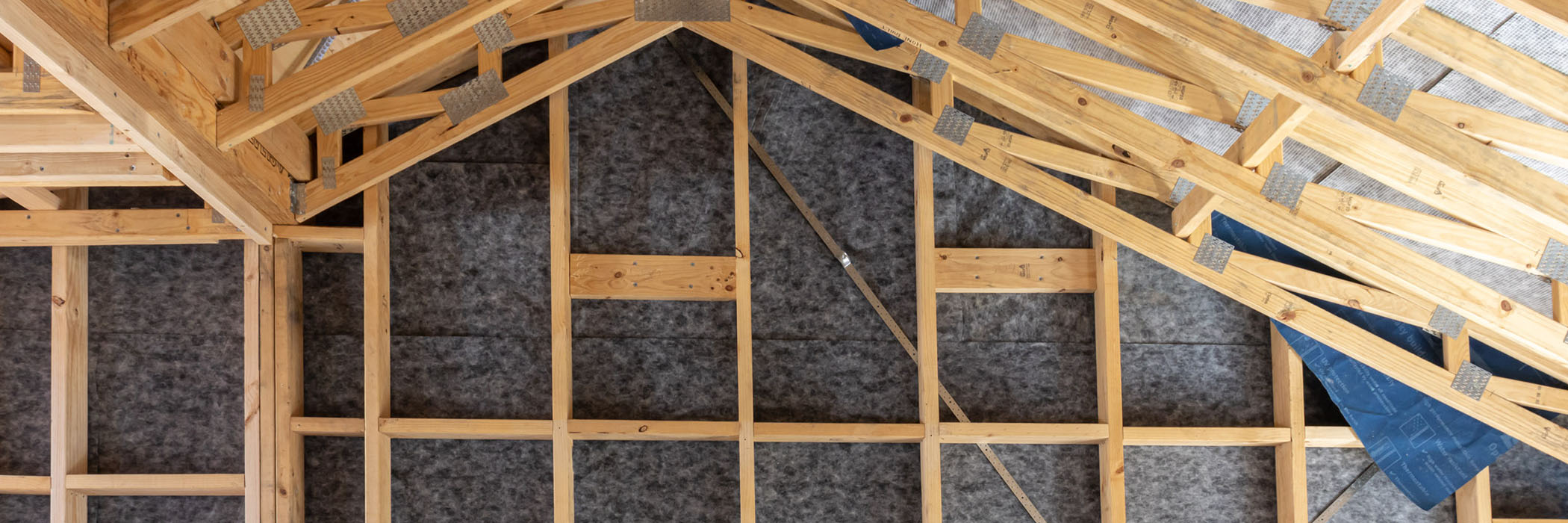
This article sets out the fundamentals that underpin all our writing on high-performance construction.
Why heat, air and moisture determine comfort, durability and performance
Most homes are designed around appearance, planning controls and minimum compliance targets. How heat, air and moisture actually move through the building is often treated as secondary or assumed to “work itself out”.
In practice, this approach leads to homes that are difficult to keep comfortable, expensive to operate and prone to issues like condensation, mould and uneven temperatures. These problems are not caused by a lack of technology. They are the result of poorly understood building physics.
Building physics is not abstract theory. It describes how buildings interact with their environment and occupants every day.
What building physics means in simple terms
Building physics is the study of how heat, air and moisture move through a building.
Every home, regardless of size or style, is governed by the same physical laws. When these are understood and applied deliberately, the building itself does most of the work of maintaining comfort.
At a practical level, building physics focuses on:
- Heat flow through walls, roofs, floors and windows
- Air movement, both intentional and unintentional
- Moisture behaviour, including condensation risk and drying potential
These elements are interdependent. Changing one without considering the others often creates new problems elsewhere.
Heat flow and thermal comfort
Heat always moves from warm areas to cooler ones. In a home, this occurs through conduction, convection and radiation.
Insulation slows heat flow but only when it is continuous and correctly detailed. Gaps, compressed batts and thermal bridges allow heat to bypass insulation, reducing its effectiveness.
When heat flow is well controlled, indoor temperatures change slowly. This improves comfort, reduces reliance on heating and cooling systems and lowers energy demand over the life of the building.
Airtightness and unintended air movement
Air movement has a major impact on comfort and energy use.
Uncontrolled air leakage allows warm air to escape in winter and hot air to enter in summer. It also carries moisture into building assemblies, increasing condensation risk.
Airtightness is about control, not sealing a home shut. By limiting unintended air leakage, ventilation can be designed intentionally and predictably. This principle underpins high-performance standards such as Passivhaus (Passive House).
For a deeper explanation of this concept in practice, see The Airtight Case for Passivhaus.
Moisture management and durability
Moisture moves through buildings as vapour and liquid. When moisture is not properly managed, it can condense within walls, roofs and floors.
This affects durability, indoor air quality and long-term performance. Mould and material degradation are often symptoms of poor moisture control rather than surface-level issues.
Good building physics design considers vapour control, drying potential and material compatibility together. When these elements are resolved early and treated as interdependent, risks around moisture, durability and indoor air quality are significantly reduced.
Why building physics matters more as the climate changes
Melbourne’s climate is becoming more variable, with hotter summers, colder winter nights and more frequent extreme events.
Homes that rely on active systems alone struggle under these conditions. Those designed with sound building physics principles maintain comfort for longer periods, even during power outages or peak demand.
This is why performance-led frameworks such as Passivhaus are increasingly relevant. They apply building physics in a measurable, verifiable way rather than relying on assumptions.
Architecture, performance and delivery
Understanding building physics does not limit architectural expression. It supports it.
When architects and builders work closely, performance intent can be delivered reliably on site. Clear detailing, disciplined sequencing and verification during construction are what turn design intent into measured outcomes.
This collaboration reduces risk, avoids performance gaps and ensures that what is specified is what is built.
A foundation, not a feature
When heat, air and moisture are managed deliberately, buildings become easier to live in and more reliable over time. Building physics is not a feature that can be added later. It is the foundation on which comfort, durability and efficiency depend.