Embodied Carbon: The Next Frontier in Sustainable Construction
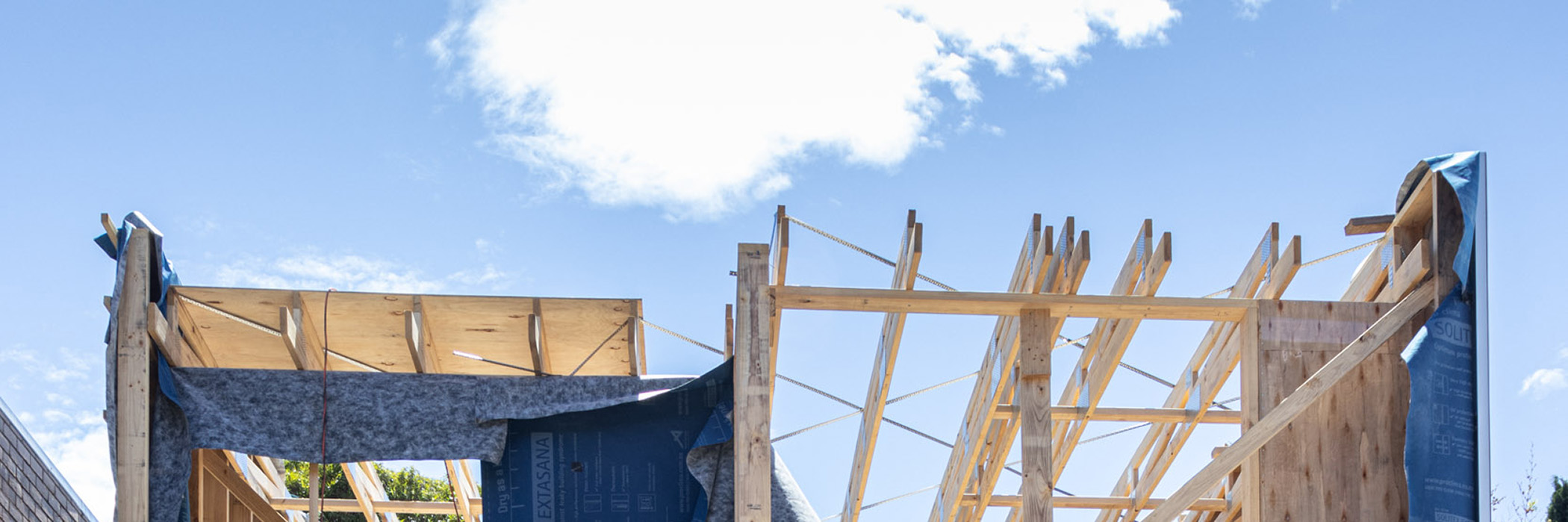
Why how we build now matters as much as how homes operate
For many years, sustainability in housing has been measured primarily through operational energy use. Reducing heating and cooling demand remains important, particularly as energy costs rise and grids decarbonise.
However, as operational performance improves, another source of emissions becomes more significant: embodied carbon.
Embodied carbon refers to the greenhouse gas emissions associated with the extraction, manufacture, transport, installation and disposal of building materials. Unlike operational energy, these emissions occur largely upfront and cannot be reduced once construction is complete.
What embodied carbon actually includes
Embodied carbon accounts for emissions across a building’s material lifecycle, including:
- Raw material extraction
- Manufacturing and processing
- Transportation to site
- Construction activities
- Replacement, maintenance and end-of-life treatment
In many new homes, embodied carbon can represent a substantial portion of total lifecycle emissions, particularly where operational energy demand has already been reduced through good fabric performance.
Why embodied carbon matters now
As homes become more energy efficient, operational emissions fall. This shifts the balance.
For high-performance homes, a larger share of total carbon impact can occur before the building is even occupied. Decisions made during procurement and construction therefore carry long-term consequences.
Embodied carbon also matters because:
- It is released immediately, contributing to near-term climate impacts
- It is influenced by material efficiency and waste
- It is closely tied to construction practices
This makes it a construction issue as much as a design consideration.
The relationship between durability and carbon
Durability plays a critical role in embodied carbon outcomes.
Materials and assemblies that perform poorly or require early replacement increase lifecycle emissions. Conversely, well-built homes with long service lives spread embodied impacts over many decades.
This reinforces the importance of construction quality. A durable building is often a lower-carbon building over time.
For a discussion of how durability links to long-term performance, see Passivhaus and Resilience in Melbourne’s Changing Climate.
Construction waste and material efficiency
Construction waste is a direct contributor to embodied carbon.
Over-ordering, damage on site and poor sequencing all increase the volume of materials that must be manufactured and transported without delivering value.
Reducing waste:
- Lowers embodied emissions
- Improves material efficiency
- Reduces disposal impacts
This is explored in more detail in Construction Waste and the Circular Economy.
What builders can influence
While builders do not control all material choices, they do influence how materials are used.
Construction decisions affect:
- Accuracy of material quantities
- Protection of materials on site
- Sequencing to avoid damage and rework
- Selecting/suggesting low-carbon alternative products and materials
- Opportunities for reuse and recycling
These factors have a measurable impact on embodied carbon, regardless of the design specification.
Embodied carbon and high-performance construction
High-performance homes often use more insulation and higher-specification components. This can increase upfront embodied carbon if not managed carefully.
However, when combined with:
- Long service life
- Reduced operational energy demand
- Lower maintenance requirements
the overall lifecycle impact can be favourable.
The key is avoiding short-term thinking. Embodied carbon should be assessed alongside durability and operational performance, not in isolation.
For a grounding in how fabric performance reduces operational demand, see The Airtight Case for Passivhaus.
From intent to accountability
Embodied carbon is increasingly discussed in the industry, but measurement and accountability vary widely.
Without clear data and disciplined delivery, embodied carbon risks becoming another aspirational label rather than a meaningful metric.
This is where governance and transparency matter. The link between values, accountability and construction outcomes is explored in Why B Corp Matters for Sustainable Passive House Construction (coming soon!).
A broader view of sustainability
Sustainable construction cannot be reduced to a single metric.
Operational energy, embodied carbon, durability and waste are interconnected. Improving one while ignoring the others often leads to unintended consequences.
A systems-based approach recognises that how a home is built influences its environmental impact for decades.
Embodied carbon brings construction decisions into focus. Materials, waste and durability shape environmental impact long before a home is occupied and long after it is finished.