Cost, Value and Performance in High-Performance Homes
Why fabric-first construction changes where money is spent
Decisions about cost in residential construction are often made under time pressure and with limited information. When budgets tighten, performance measures are frequently the first to be reduced, even though their consequences are long-term.
Understanding how cost, value and performance interact helps avoid decisions that are difficult to reverse once construction is complete.
Cost is not just about the build price
Discussions about high-performance homes often focus on whether they cost more to build. This framing is too narrow to be useful.
A more relevant question is how money is allocated and what outcomes it delivers over the life of the building.
In conventional construction, budgets are often directed toward mechanical systems to compensate for poor fabric performance. Heating and cooling equipment becomes larger and more complex because the building envelope allows significant heat loss and gain.
High-performance homes take a different approach.
A different cost structure
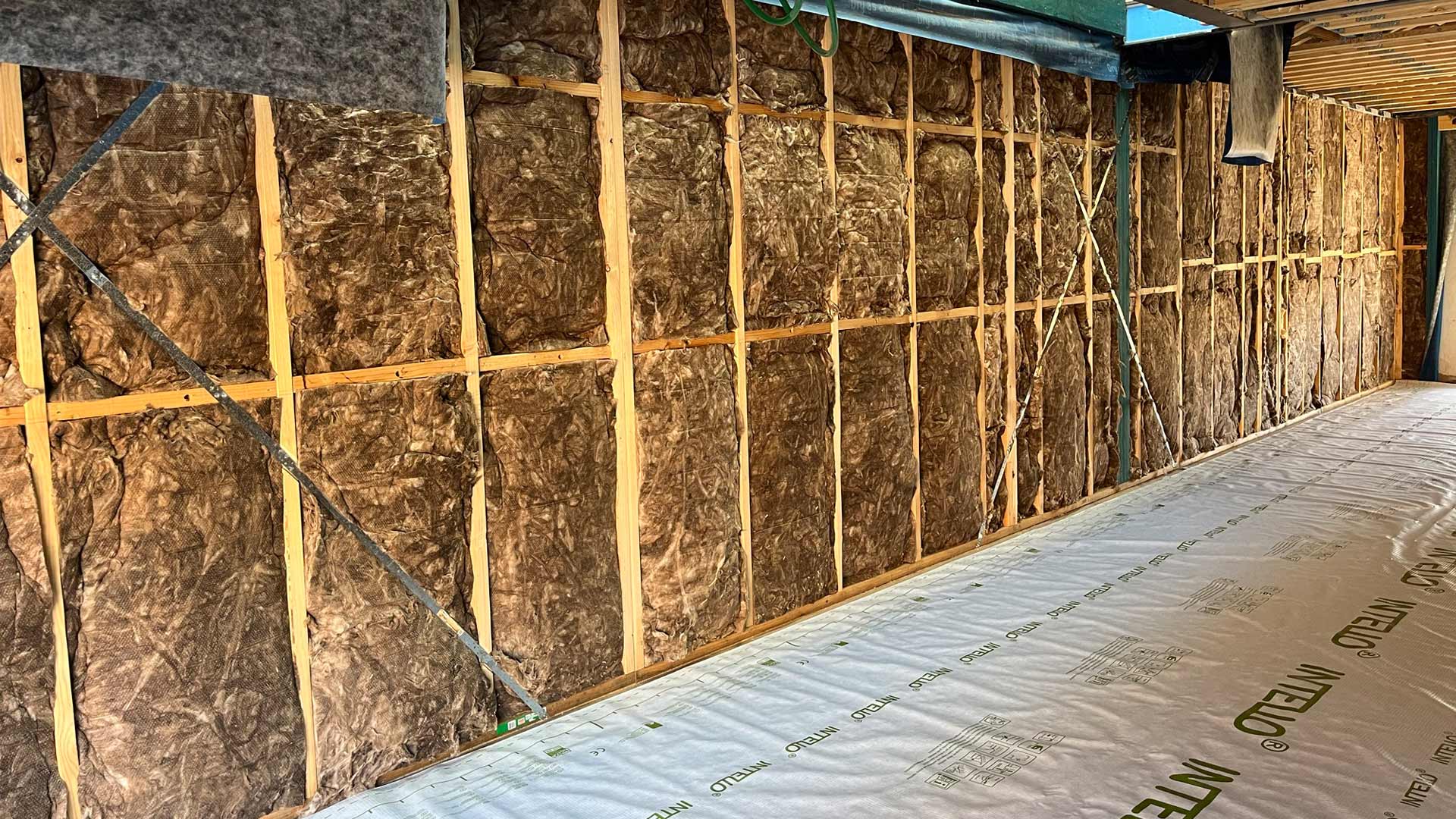
By investing more in the building fabric, high-performance homes reduce the ongoing demand for active systems. The result is not necessarily a more expensive home, but a different distribution of cost.
In practice, this typically means:
- More investment in insulation, airtightness and windows
- Smaller, simpler heating and cooling systems
- Lower operational energy demand over time
- Reduced risk of comfort or moisture-related remediation
This approach prioritises long-term performance over short-term optimisation.
Fabric as infrastructure
The building envelope operates continuously without maintenance or energy input. When it performs well, it supports comfort, resilience and durability for decades.
Mechanical systems, by contrast, have finite lifespans and ongoing operating costs. Reducing reliance on them improves long-term cost certainty and resilience, particularly as energy prices rise.
From this perspective, investment in the fabric is infrastructure, not a premium feature.
Risk, durability and long-term value
High-performance construction also reduces risk. Clear performance targets, disciplined detailing and verification reduce the likelihood of condensation, mould and uneven comfort.
For homeowners, this translates to fewer surprises, lower running costs and greater confidence in long-term performance.
Value is not only financial. Quiet spaces, stable temperatures and good indoor air quality all affect how a home is experienced and maintained over time.
Reframing cost conversations
High-performance homes challenge the idea that value is measured at handover. Instead, they focus on outcomes that persist throughout the life of the building.
When cost is considered alongside comfort, durability and resilience, fabric-first construction becomes a measured and rational response rather than a luxury.